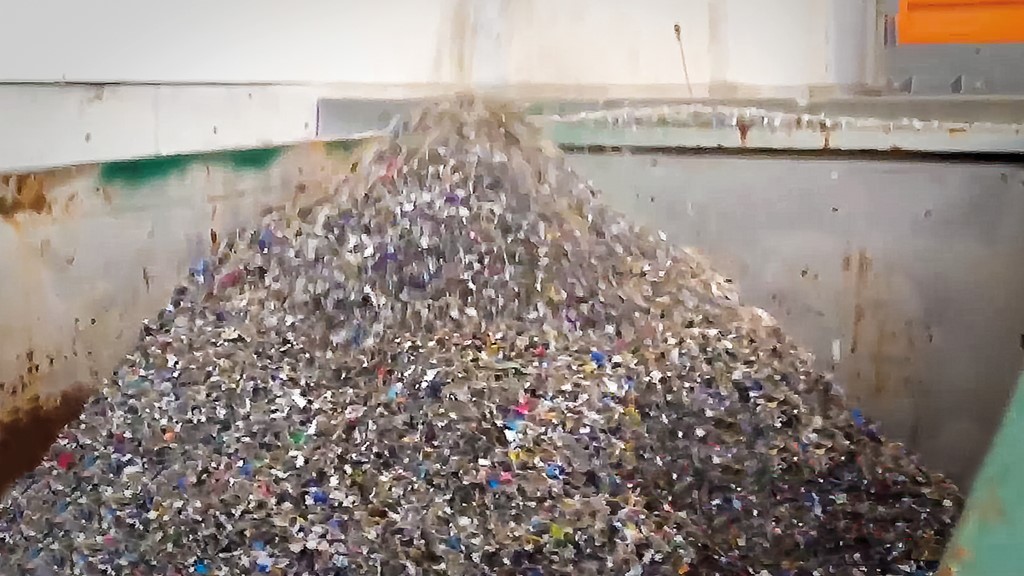
What is an industrial shredder?
Industrial shredders are useful machines for reducing the volume of bulk solid municipal and industrial waste. Shredders play an important role in recycling companies as they are able to process various waste materials such as scrap metal, aluminium, copper, brass as well as materials such as plastic, paper, wood, tires and food waste.
Due to their versatility, industrial shredders are essential machines for recycling centers, landfills, car dismantling and all entities working in the waste management and recycling fields.
Classification of industrial shredders
The versatility of these devices depends on the different components that make them up and, depending on the structure, these components are associated with the processing of certain materials.
When selecting a shredder based on end use, four main drivers must be considered:
the nature of the material being processed;
the amount of material that must be processed;
The size of the required material after shredding;
Presence of foreign matter (does not have to be crushed);
The structure of the shredder.
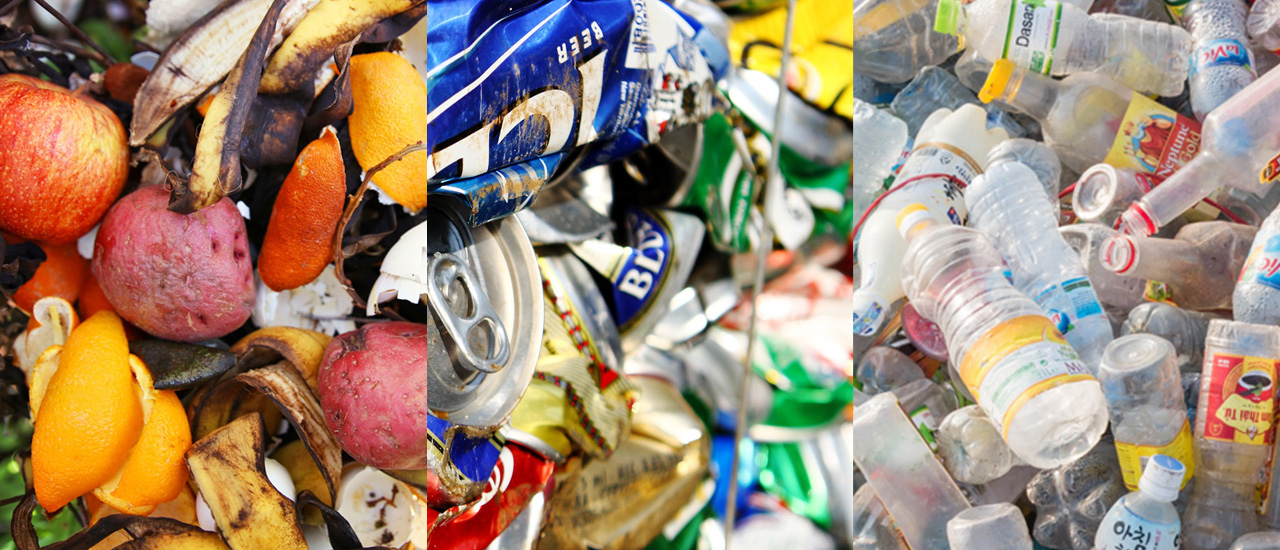
The nature of the material to be shredded allows the division of shredders according to use. A machine that has to shred plastic will have a structure, for example, associated with the size, number of shafts and blades needed for shredding, unlike a shredder dedicated to shredding wood. The capabilities of each machine depend on the characteristics of the material that must be shredded.
Due to the possibility to customize different components, it is possible to manufacture industrial shredders for almost all man-made materials. There are shredders dedicated to shredding plastic and rubber, tyres, all household and industrial electronic waste, paper, cardboard, wood and bulky waste, food waste and all special industrial substances such as oil, hospital waste, metals and textiles Filter waste.
The amount of material to be processed can affect the choice of the type of industrial shredder to employ. For small volumes, consider manually loading the shredder when the hopper allows it. If necessary, a platform can be used to allow the operator to safely load the machine from a more suitable location. For larger volumes, automatic loading systems such as conveyor belts, dump trucks or, if necessary, polyp loaders or mechanical shovels can be used.
Another important driver in machine selection is the size of the material required after processing. If you just need to reduce the volume of your material, your best bet is a twin-shaft shredder (also known as a twin-rotor), which can handle very tough materials and has a high output.
On the other hand, if defined dimensions are required, a single-shaft chopper is a suitable shredder (also known as a single-rotor or grinder), which can obtain calibrated dimensions due to the installed grid acting as a sieve. Only materials with a size suitable for the passage of materials in the grid can come out of the machine. An alternative to single-shaft shredders are four-shaft shredders, which can also optionally be fitted with a grid. The latter solution is better suited for tough materials that need to be processed with a controlled output size, such as WEEE, tires and specialty materials.
Another factor that can determine the choice of shredder type is the presence of foreign objects, which can have different effects depending on the type of shredder used. In two-shaft and four-shaft shredders, the presence of uncrushable objects can cause blade breakage, resulting in long downtime and costly fixes. In single-shaft shredders, on the other hand, damage may be limited to a few tools, which can be replaced in a short time and at low cost.
The structure of an industrial shredder, especially the number of trees that make it up, can perform the function of further sorting elements of the shredder. Depending on the number of blade holder shafts, single-shaft, double-shaft and four-shaft shredders can be identified.
The industrial single shaft shredder has a solid structure and can be customized according to the needs of use. Customization of the machine usually involves the size of the blades mounted on the crusher shaft, the size of the mounting grid, and the rotational speed of the rotor. The size of the blade is determined by the type of material the shredder is handling. The possibility of customization and the robust construction guarantee the maximum production capacity of the machine and its long-term durability.
Shredders with a dual-shaft structure are designed to intervene in bulky waste, with the ultimate goal of drastically reducing the initial volume. Compared to the models mentioned above, the twin-shaft shredder has a double-blade system capable of reverse rotation, which facilitates the destruction of the material itself. Finally, four-shaft shredders are the latest generation of the shredder category. This last type of industrial shredder consists of four shafts equipped with steel blades for shredding material, dual shafts do it in the most efficient manner but make sure to choose the size of the output material like single shaft.
The steps of the shredding process
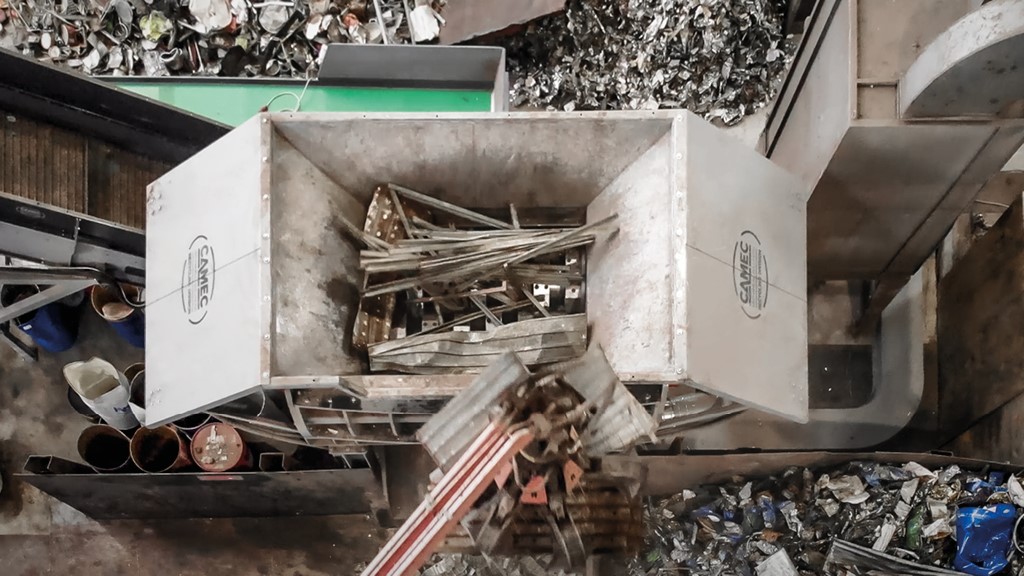
Pre-shredding
It consists of primary shredding operations, to break up the bags and homogenise the waste, and primary deferrization on the shredded material. The treated waste is dumped on the ground in a collection box from where it is then sent for biostabilisation in a biotunnel.
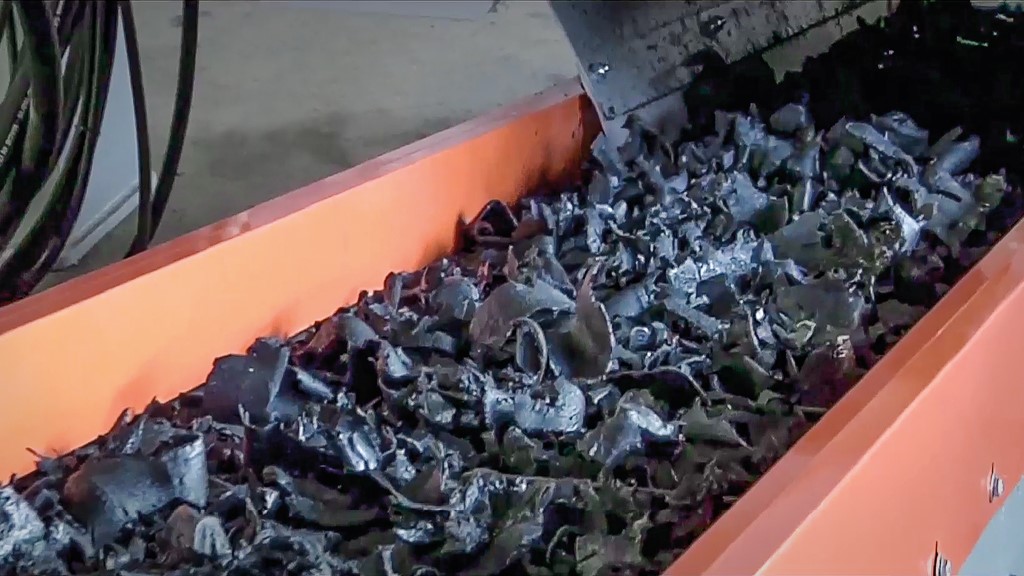
Screening
It is performed by means of an octagonal rotary screen or a disk screen and separates the material into two streams: the under screen fraction - RBD (mainly containing organic material) and the over screen fraction - FSC (mainly containing dry material). The over screen fraction is sent to the subsequent metal separation and baling stages and then transferred to the RDF production plant. The under screen is destined for landfill or, in part, for the subsequent secondary maturation stage which is not mandatory to be realized.
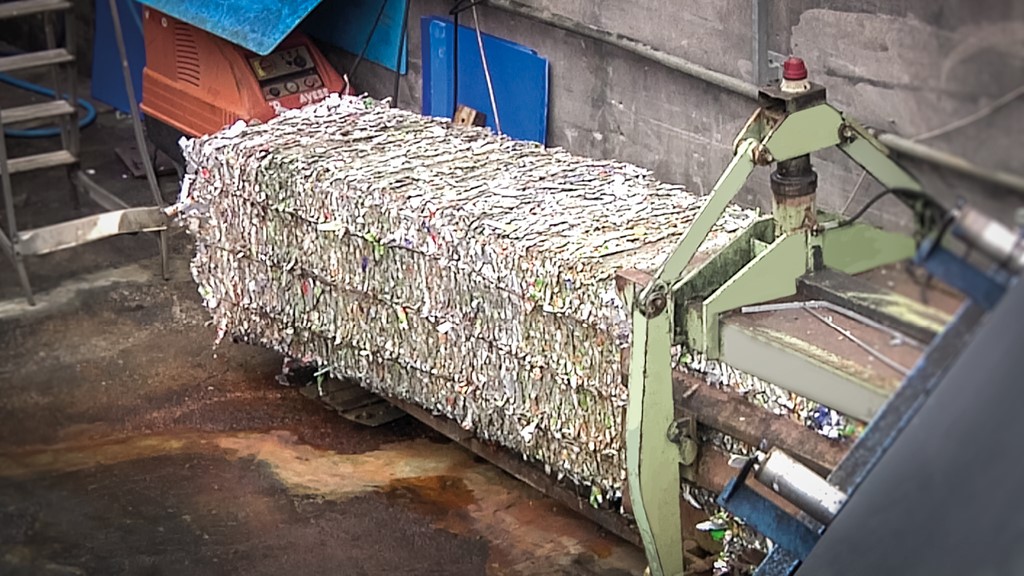
Baling
The oversize screenings (FSC), cleaned of metal fractions, normally sent in bulk to the RDF production plant, can alternatively be packed in bales through a baling and filming process. In the press, the material is conditioned in bales tied with wire and then a filming machine protects the bales with plastic film.
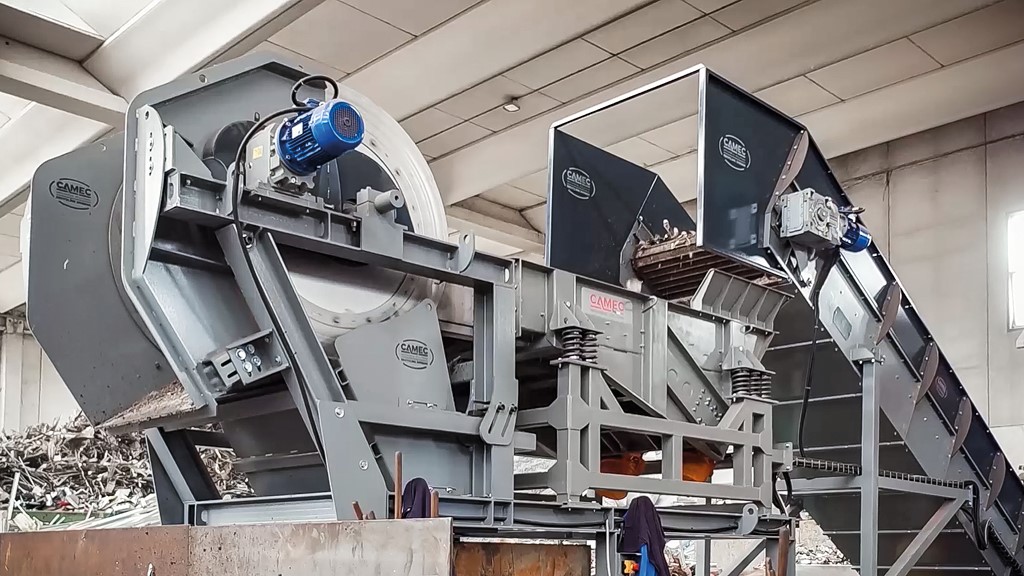
Metals separation
Separation of metal fractions on the over screen stream leaving the rotary screen. Ferrous metals, intercepted by a permanent magnet, and non-ferrous metals, collected with an eddy current separator (ECS), are subsequently sent for recovery.